
What does it mean to be Human?
We have spent generations turning human life into something that can be measured, standardized, and optimized, then slowly allowed those measurements to shape what we believe a person is worth. As AI becomes better than us at many of the qualities we have learned to value most — speed, efficiency, consistency, and productivity — it may force us to reconsider whether those were ever the right standards for being human in the first place.

What is Health?
Health is more than the absence of disease or a collection of ideal biomarkers. It reflects how well a person can function, adapt to changing conditions, recover from disruption, and maintain enough physical, mental, and social capacity to participate in life. That capacity is shaped over time by biology, behavior, relationships, environment, and circumstance, which means health cannot be understood through any single variable or reduced to a temporary intervention. This essay explores what health actually means, the conditions that support it, and how a useful philosophy of health can help guide the way we live, make decisions, and respond when function begins to break down.

What happens when we leave Earth?
Astronauts provide an unusual way to think about health because many of the variables we usually emphasize—nutrition, exercise, and physiological monitoring—are tightly controlled, yet the body still begins changing within days of entering a different physical environment. Those changes raise a larger question about how much of normal human function depends on environmental conditions we rarely think about because they are always present on Earth. This article looks at spaceflight, gravity, magnetic-field exposure, and other physical conditions to ask what we may be missing when we study health mainly through diet, exercise, and the biology happening inside the body.
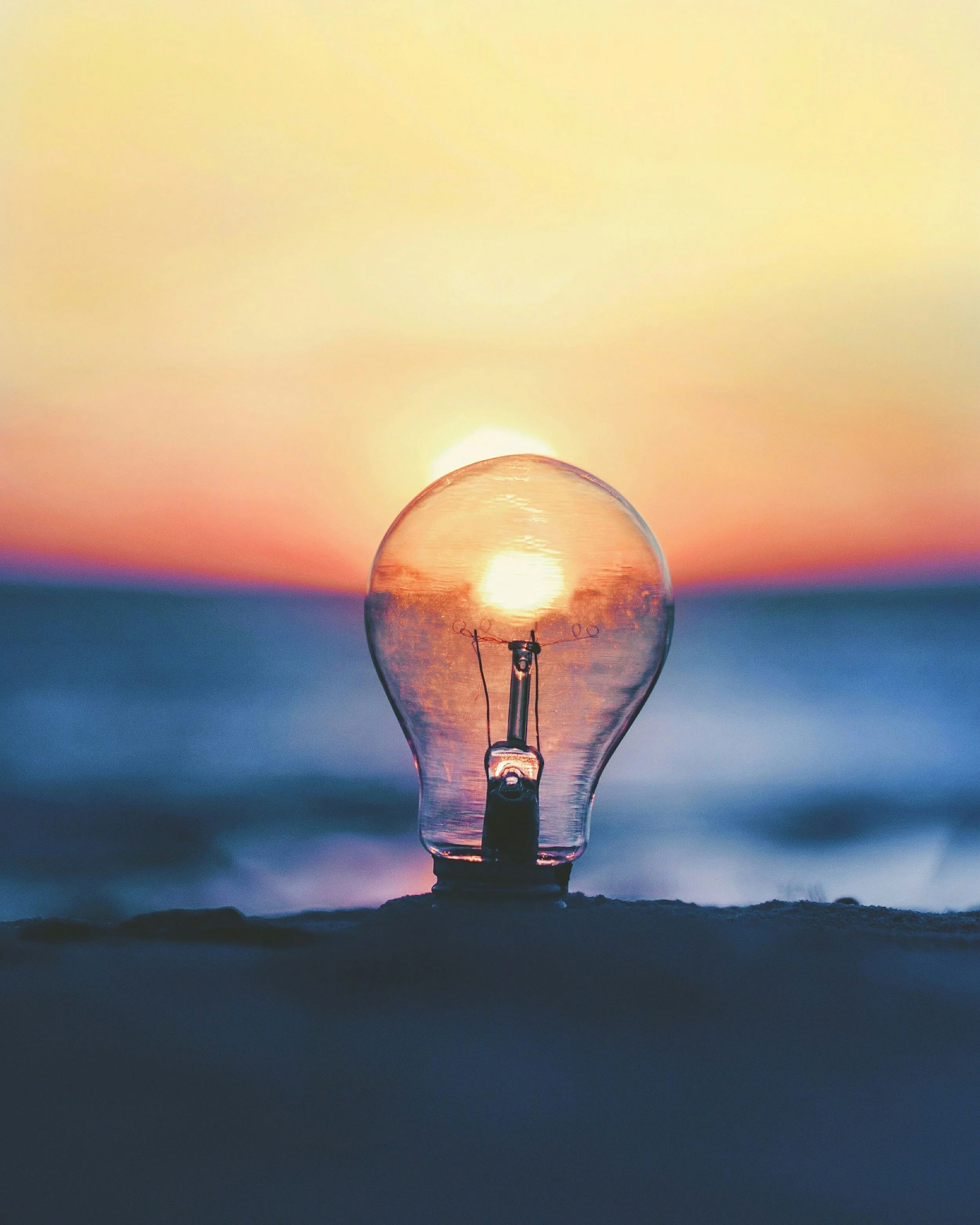
What happens when we replace Natural Light with Artificial Light?
Artificial lighting is usually discussed in terms of efficiency, cost, and visible brightness, but those measures tell us very little about what the light itself is doing biologically. Different light sources can look nearly identical while producing very different spectra, and our physiology responds to more than what our eyes consciously perceive. This article looks at what changed when incandescent lighting was replaced by newer technologies, how those decisions were justified, and whether reducing electricity use was too narrow a measure for evaluating a change that also altered one of the environmental signals our biology uses to regulate itself.